

Discover Why RIB Boats Combine Superior Safety, Speed, And Versatility For Modern Boating
The rigid inflatable boat, commonly known as a RIB, represents one of the most significant innovations in modern maritime design. These vessels combine the structural integrity of a traditional hard hull with the buoyancy and safety benefits of inflatable tubes, creating a platform that delivers exceptional performance across a wide range of water conditions and applications. For boating enthusiasts and professionals alike, understanding the mechanics and advantages of RIB construction has become essential to making informed decisions about watercraft selection.
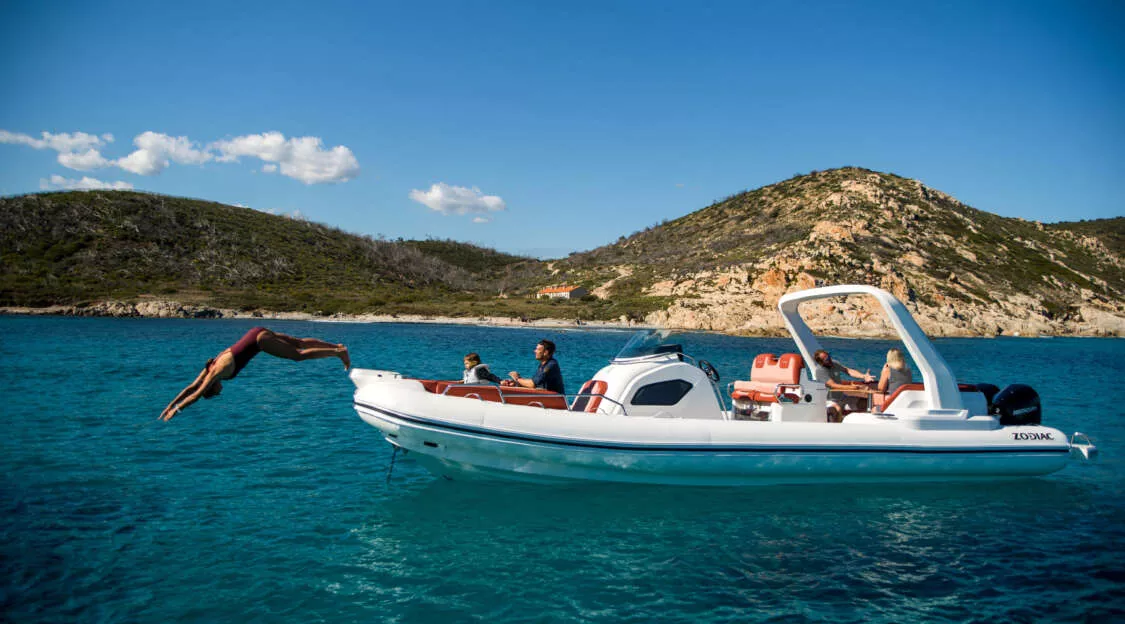
At its core, a RIB boat features a solid fiberglass or composite hull that serves as the primary structural foundation. This rigid base provides the stability and handling characteristics that traditional boat owners expect, while the inflatable tubes that run along the perimeter offer multiple advantages that set RIBs apart from conventional designs. The tubes are typically constructed from high-quality marine-grade materials such as Hypalon or PVC, engineered to withstand the rigors of saltwater environments and intense operational demands. This hybrid construction method allows RIB boats to achieve a unique balance between performance, safety, and versatility that few other vessel types can match. The performance characteristics of RIB boats have made them the preferred choice for numerous maritime applications. Military and coast guard operations worldwide rely on RIBs for their exceptional speed, maneuverability, and seaworthiness. Commercial operators in the charter and tourism sectors have embraced RIB technology for its ability to deliver thrilling experiences while maintaining passenger safety. The lightweight construction combined with the rigid hull allows RIBs to achieve impressive speeds with relatively modest engine power, making them fuel-efficient compared to larger displacement vessels of similar capability.
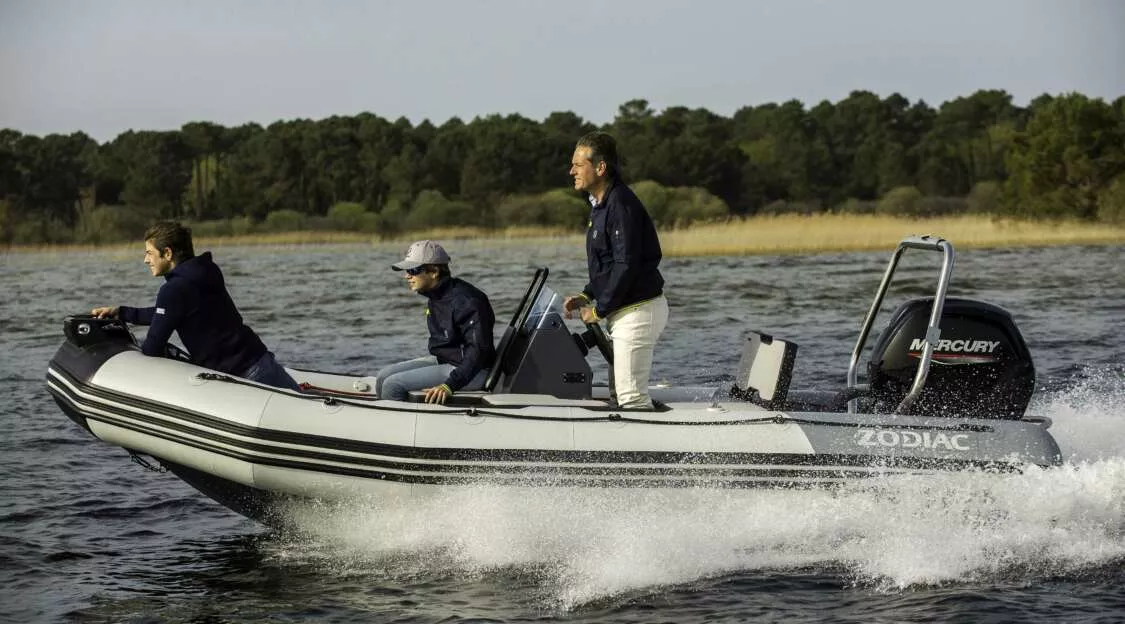
Safety represents one of the most compelling reasons why RIB boats have gained such widespread adoption. The inflatable tubes provide inherent flotation that ensures the vessel remains buoyant even in the event of catastrophic hull damage. This redundant safety feature has saved countless lives in emergency situations where traditional boats might have sunk. The tubes also serve as effective fenders, protecting both the vessel and nearby objects from collision damage. Passengers appreciate the soft, forgiving contact that the tubes provide, reducing injury risk during rough water conditions. The open design of most RIBs also facilitates rapid evacuation if needed, and the high freeboard created by the tubes keeps occupants drier and more comfortable in choppy seas. The versatility of RIB boats extends across numerous recreational and professional domains. Fishing enthusiasts favor RIBs for their stability and the ability to access shallow waters where larger vessels cannot venture. Watersports operators use RIBs as tow platforms for wakeboarding and water skiing, appreciating the responsive handling and smooth acceleration. Dive operators depend on RIBs to transport teams to remote reef systems, where the shallow draft and precise maneuvering capabilities prove invaluable. Military and law enforcement agencies continue to specify RIB designs for patrol, interdiction, and rescue operations where speed and reliability are non-negotiable requirements.
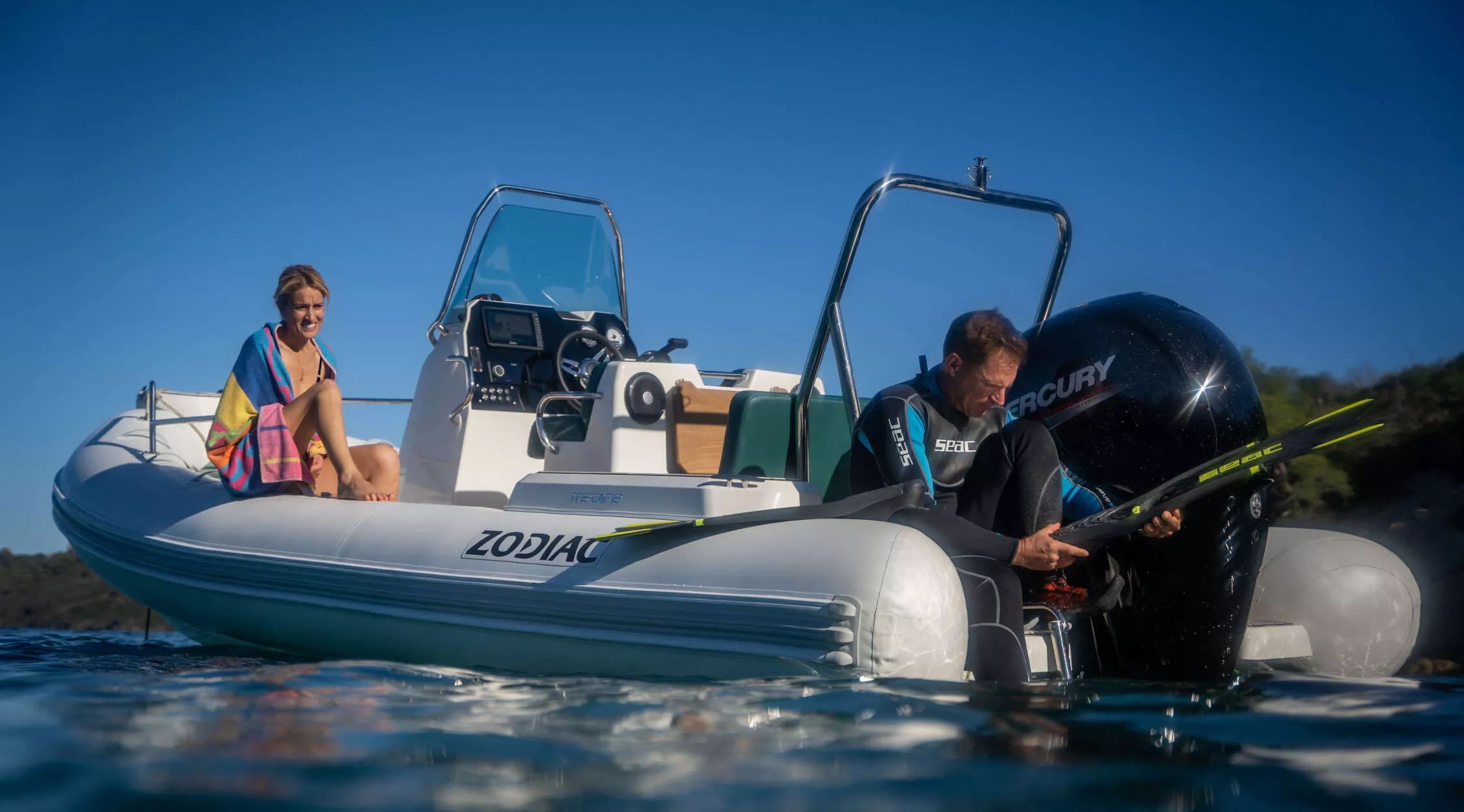
Maintenance and longevity considerations make RIB boats an attractive long-term investment for serious boaters. The inflatable tubes require periodic inspection and care, but modern materials have dramatically extended service life compared to earlier generations. The rigid hull benefits from the same maintenance protocols as traditional fiberglass boats, with regular cleaning and protective coatings ensuring years of reliable service. Many RIB owners report that their vessels remain in excellent condition well beyond ten years of active use, particularly when proper maintenance schedules are observed. The modular nature of RIB construction also means that individual components can be replaced or upgraded without requiring complete vessel overhaul. The design innovations that have emerged in recent years continue to enhance RIB performance and comfort. Modern RIBs feature improved seating arrangements with ergonomic support for extended cruising. Advanced console designs integrate navigation electronics, communication systems, and entertainment options that rival larger yachts. Hull designs have evolved to reduce fuel consumption while improving ride quality in various sea states. Manufacturers now offer RIBs in sizes ranging from compact 15-foot day cruisers to impressive 40-foot expedition vessels, ensuring that buyers can find a platform perfectly suited to their specific needs and ambitions.

For those considering a RIB boat purchase, understanding the key characteristics that define quality construction becomes essential. Tube diameter, material composition, and attachment methodology all influence performance and durability. Hull construction techniques, including the quality of fiberglass layup and resin systems, directly impact structural integrity and longevity. Engine selection must balance power requirements with fuel efficiency and maintenance considerations. Consultation with experienced RIB operators and reputable dealers provides invaluable guidance when evaluating specific models and configurations. The RIB boat category continues to evolve as manufacturers respond to changing market demands and technological advances. Hybrid propulsion systems are beginning to appear in the RIB market, offering environmentally conscious operators the opportunity to reduce emissions without sacrificing performance. Advanced materials including carbon fiber composites promise lighter, stronger hulls that deliver improved efficiency. Digital integration and smart boat technologies are making RIBs more user-friendly and connected than ever before. These ongoing innovations ensure that RIB boats will remain at the forefront of marine design for years to come, offering boaters a compelling combination of safety, performance, and versatility that few alternatives can match.
This article has been sourced from press releases and cross-referenced with multiple websites. Facts originally seen at Source.